




Description
Product Features
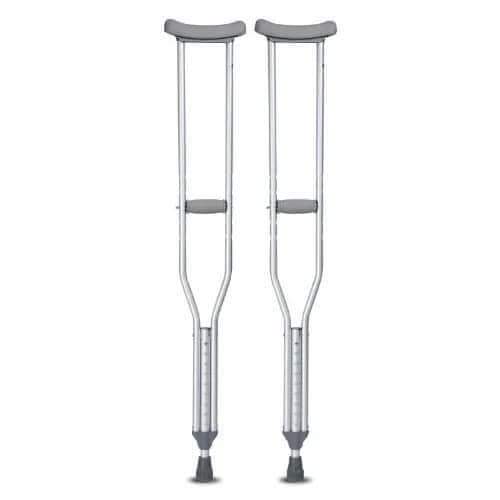
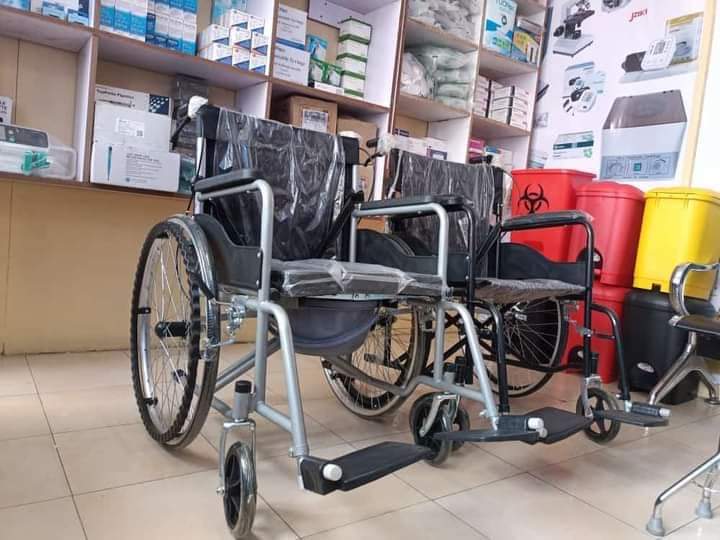
- Variety of Devices: Includes canes, crutches, walkers, rollators, and wheelchairs, catering to different levels of support and mobility needs.
- Adjustable Height: Most walking aids feature adjustable height settings to ensure proper fit and ergonomic use for individuals of various sizes.
- Lightweight and Durable Materials: Made from strong, lightweight materials such as aluminum, steel, or carbon fiber to provide stability while remaining easy to handle.
- Non-Slip Tips and Wheels: Equipped with rubber tips or wheels with brakes to prevent slipping and ensure safety on different surfaces.
- Foldable and Portable Options: Some models, such as foldable walkers and lightweight wheelchairs, are designed for easy transport and storage.
Applications
- Rehabilitation: Used by individuals recovering from surgeries, injuries, or strokes to support gradual mobility improvements during rehabilitation.
- Elderly Care: Helps older adults maintain independence and stability while walking, reducing the risk of falls.
- Post-Surgery Recovery: Suitable for patients recovering from orthopedic procedures like hip or knee replacements, providing support during recovery.
- Chronic Conditions: Assists individuals with conditions such as arthritis, multiple sclerosis, or Parkinson’s disease in maintaining mobility.
- Temporary Injuries: Useful for people with sprains, fractures, or other temporary mobility limitations.
Packaging and Quantity
- Single Units: Sold as individual items, such as a single cane, pair of crutches, or one walker.
- Accessory Kits: Some walking aids may come with additional accessories like seat cushions for rollators, storage bags, or replacement tips for canes and crutches.
Maintenance and Care
- Regular Inspection: Check for signs of wear, such as worn-out tips, loose screws, or damaged wheels, and replace parts as needed.
- Cleaning: Wipe down surfaces with a damp cloth to keep the device clean, and follow specific cleaning instructions for padded or fabric parts.
- Storage: Store in a dry, safe place when not in use, especially for foldable devices to prevent accidental damage.
Note: Proper fitting and training are recommended to ensure the correct use of mobility and walking aids. Consult with a healthcare professional to select the appropriate aid for individual needs and follow manufacturer guidelines for safe use.

Reviews
There are no reviews yet.