




Description
Product Features
- High-Quality Materials: Made from medical-grade or laboratory-grade materials like plastic, glass, or rubber to ensure safety, chemical resistance, and reliability in various lab applications.
- Disposable and Reusable Options: Includes items designed for single use, as well as reusable items that can be cleaned and sterilized for multiple uses.
- Sterile and Non-Sterile Variants: Available in sterile forms for applications requiring aseptic conditions, and non-sterile versions for general laboratory use.
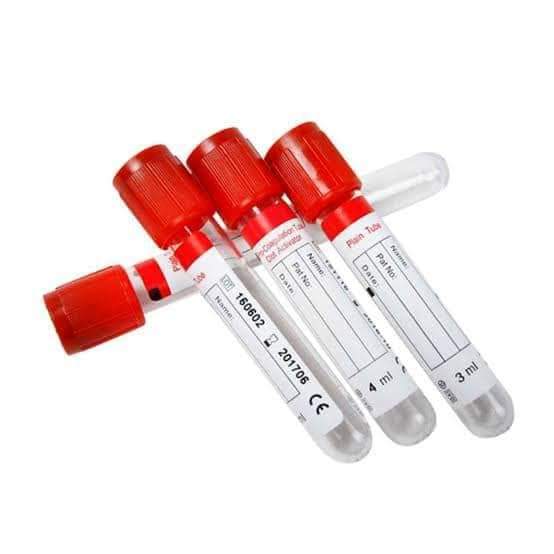
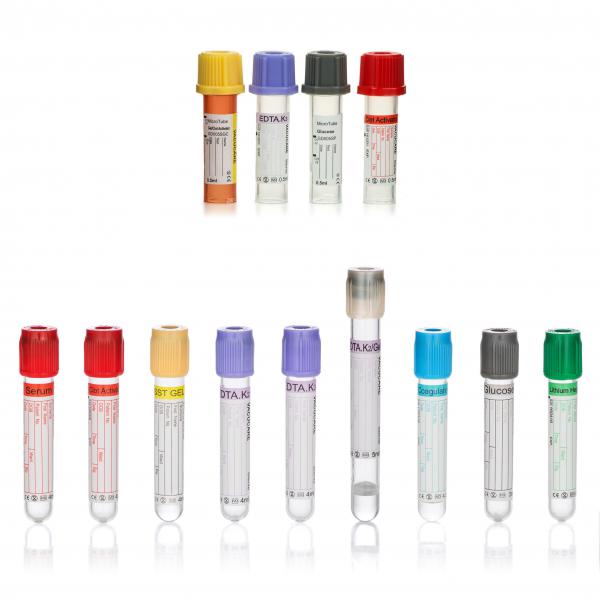
- Wide Range of Products: Includes pipette tips, microcentrifuge tubes, Petri dishes, gloves, test tubes, culture plates, filtration units, and sample containers.
- Chemical Compatibility: Many consumables are compatible with different chemicals and solvents, allowing for use in a variety of experiments and processes.
Applications
- Clinical Diagnostics: Used in pathology labs for sample collection, storage, and analysis in tests such as blood work, urinalysis, and biopsy preparation.
- Research Laboratories: Essential for conducting experiments in molecular biology, biochemistry, genetics, and other fields, including sample preparation, mixing, and storage.
- Pharmaceutical and Biotechnology Industries: Utilized in drug development, quality control, and production processes.
- Environmental Testing: Used for collecting and analyzing samples from water, soil, and air for contaminants and pollutants.
- Educational Laboratories: Commonly found in schools and universities for teaching purposes and student experiments.
Packaging and Quantity
- Bulk Packaging: Often sold in bulk quantities to meet the demands of high-usage environments such as research labs and hospitals.
- Individually Wrapped Items: Some consumables, like sterile pipette tips or syringes, may come individually wrapped to maintain sterility.
- Variety Packs: Available in assorted packs for convenience, containing multiple sizes or types of a particular consumable.
Maintenance and Care
- Proper Storage: Store consumables in a clean, dry environment away from direct sunlight or extreme temperatures to maintain their quality.
- Expiry Management: Monitor expiration dates, especially for items that require sterility or have limited shelf life.
- Disposal Guidelines: Dispose of used consumables according to local regulations and laboratory safety protocols, especially for biohazardous or chemical waste.
Note: Proper handling and disposal of laboratory consumables are essential to ensure safety and compliance with regulations. Training in laboratory best practices is recommended for anyone working with these materials.
Reviews
There are no reviews yet.